
Exploring Flavors of Costa Rican Cuisine: From Casado to Ceviche:
Costa Rica is a relatively small country in Central America that has a wide variety of geographical features

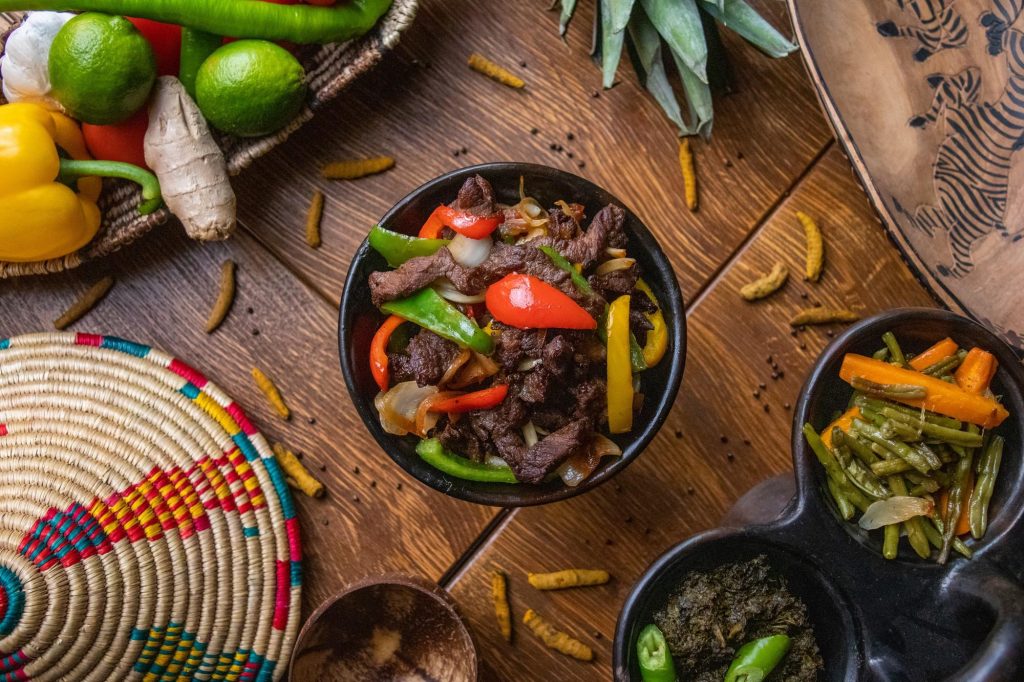
Costa Rica is a relatively small country in Central America that has a wide variety of geographical features, including rainforest and volcanic regions, mountain cloud forests, and seashore. Having such a beautiful and diverse nature means that fresh local produce has been adopted in the locally prepared scrumptious meals. Although the food does not appear to be complicated, the analysis of traditional recipes and local specialties will reveal connections between Costa Rica’s agricultural richness and cultural exotics.
As a Costa Rican food lover and avid traveler, I was eager to delve deeper into the flavors of Costa Rican cooking during my most recent jungle trekking adventure. Over the course of a week, exploring various areas, including Corcovado tours in Corcovado National Park and the beach town of Drake Bay Corcovado tours, I was able to experience the country’s cuisine in all its simplicity and diversity.
A Tale of Rice, Beans and Plantains
No discussion of Costa Rican food would be complete without mentioning the country’s beloved national dish – gallo pinto. This savory rice and bean medley was influenced by the large wave of Nicaraguan immigrants in the 19th century. Black beans and white rice are sautéed with onions, peppers, and garlic, then often topped with a fried egg for breakfast. The recipe can vary slightly depending on the region, with red beans more common on the Pacific coast near Nicaragua.
Another classic pairing is rice, and fried plantains is frequently served as a side. Sweet plantains are enjoyed both ripe and green throughout Costa Rica, cooked in countless ways, from fried chips to tender mature slices. They provide an excellent source of energy-giving carbohydrates alongside the protein-packed rice and beans.
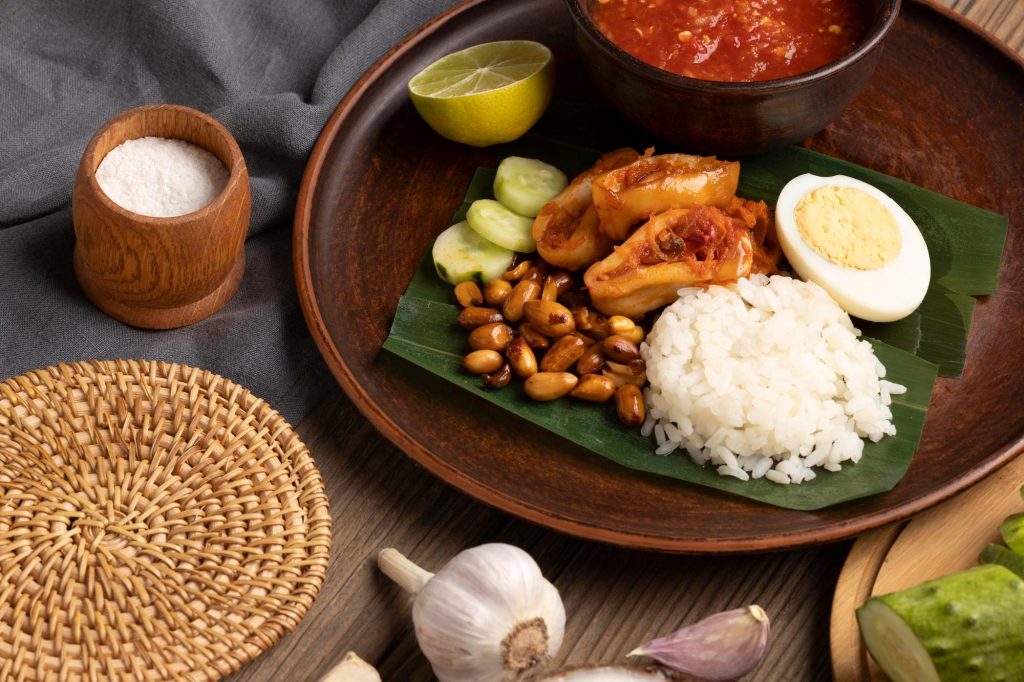
Casado plates, the typical Costa Rican lunch featuring some combination of meat or fish alongside rice, beans, shredded cabbage salad, and plantains, are also very common. This simple formula shows how Costa Ricans incorporate their versatile staple ingredients into affordable, filling meals any time of day.
A Blend of Indigenous, Spanish and Afro-Caribbean Influences
To fully appreciate Costa Rican cuisine, it’s important to understand the various cultural influences that have blended together over centuries. Before the arrival of Europeans, the lands were home to smaller indigenous groups like the Bribri and Boruca, who lived off the rich natural resources of the jungles and coasts.
Spanish colonists in the 16th century introduced domesticated animals and crops from their home country, like wheat, and drove out many native food traditions. However, certain pre-colonial elements survived, such as corn-based dishes and novel ingredients incorporated from the Americas, like chayote, papaya, and yuca.
A significant Afro-Caribbean influence arrived through islands like Jamaica, with the import of African slaves to work on coastal banana plantations in the late 1800s. Spicy stews cooked with root vegetables, coconut milk, and citrus reflect this heritage.
This cultural fusion is what defines Costa Rican cuisine today. Dishes like olla de carne (beef stew), tamales, and batch bread reveal Spanish roots, while rondón seafood simmered in coconut milk nods to Afro-Caribbean immigrants. They produce heavy picadillos and ceviches, and they also blend New World and Old.
Exploring Traditional Specialties Across the Country
To truly experience Costa Rica’s diverse culinary offerings required getting out of the typical tourist fare and seeking out authentic local specialties in different regions. Here are some of the unique dishes and favourite finding spots from my travels:
Gold Coast Gastronomy in Drake Bay
No visit to the remote Drake Bay Corcovado tours area on the Osa Peninsula is complete without sampling seafood. At Marisquería Jiuberth, freshly caught fish, shrimp, and mollusks star in coastal specialties like rondón, prepared with local vegetables in a fragrant coconut curry broth. Be sure to also try chuchecas, which are tangy clam ceviche and perfect for enjoying on an oceanside picnic.
Jungle Flavors in Corcovado National Park
During the overnight Corcovado tours excursion into lush Corcovado, the local guide whipped up a campfire stew of chicken, vegetables, and spices that warmed us through the evening rain. Back in rural La Palma, Doña Sabina’s homestyle tamales are not to be missed, wrapped tightly in banana leaves with fillings like corn, chicken, or vegetables.
Caribbean Flavors in Cahuita
On the southern Caribbean coast, the Afro-Costa Rican influence really shines. In Cahuita, auntie-run sodas (simple family diners) dish up authentic Rondon alongside paty turnovers stuffed with sweet plantains. Be sure to also sample chocolate made from cacao beans grown in the area at Chocolateria Cahuita.
Central Valley Comfort Food
In the fertile Central Valley, hearty home-cooked meals are the norm. Several places serve up casados bursting with fresh local vegetables alongside chicken, fish, or meat. Don’t forget to also try the hearty picadillo – hash mixtures of chopped potatoes, chayote, or other seasonal veggies.
Pacific Coast Picnics
Caldera, a tiny fishing village on the Nicoya Peninsula, is perfect for enjoying ceviche straight from local fishermen. Simple seafood preparations like shrimp or fish marinated in citrus and spices are best enjoyed with a cold beer on the beach. You’ll often find roaming food carts in playas like Tamarindo selling tostados, fried yuca and fresh coconuts too.
Bonus Recipe: Home Cooking in Costa Rica
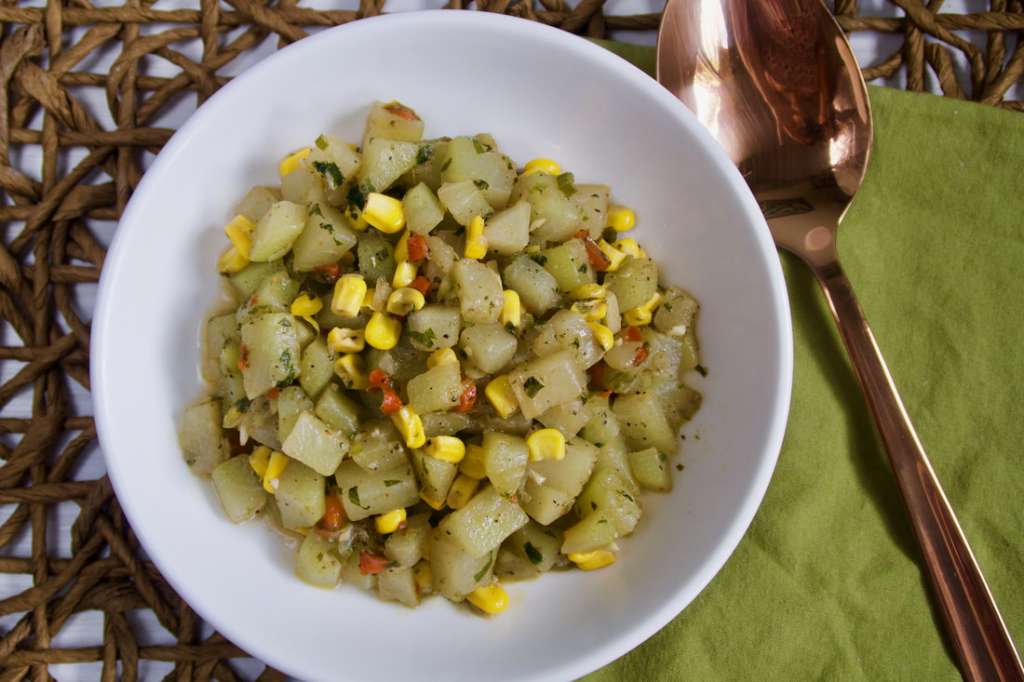
No visit to Costa Rica is complete without learning how to prepare some classic dishes at home. Here is a tasty recipe for picadillo, one of the most iconic ways to enjoy the country’s bountiful vegetables:
Picadillo
Ingredients:
- 2 Tbsp olive oil
- 1 large onion, diced
- 3 cloves garlic, minced
- 1 red bell pepper, diced
- 2 large tomatoes, diced
- 1 lb diced vegetables (zucchini, chayote, potato – your choice!)
- 1 Tbsp oregano
- Salt and pepper to taste
- Rice or tortillas for serving
Instructions:
- In a skillet over medium heat, warm the olive oil. Add onions and sauté for 5 minutes until softened.
- Add garlic, bell peppers, tomatoes, and selected vegetables. Sauté for 10 more minutes until veggies are tender.
- Season with oregano, salt and pepper. Cook for 5 more minutes until flavors are combined.
- Serve picadillo warm over rice or rolled into warm tortillas. Enjoy!
This simple recipe lets Costa Rica’s fresh, seasonal produce shine. Add broth or herbs for variation depending on your findings at a local feria.
Planning Your Culinary Adventure
Now that you’ve gotten a taste of Costa Rica’s diverse cuisines, it’s time to plan your own food-focused adventure! For the ultimate immersive cultural experience, I highly recommend booking a multi-day Costa Rica jungle trek and Costa Rica nature tours.
Sukia Travel offers several itineraries combining walks through stunning rainforests, volcanoes, and coastlines with locally sourced meals highlighting regional specialties. Their experienced bilingual guides have great insight into Indigenous cooking traditions and can connect you with off-the-beaten-path farm stays and family-run restaurants well worth seeking out.
During my Week in Corcovado and Drake Bay package, highlights included:
- An authentic beachside shrimp ceviche lunch.
- Home-cooked casado surrounded by lush jungle views.
- An educational coastal hike learning about traditional herbal medicinal plants culminating in a steamy Rondon feast.
It was truly the best way to intimately experience the landscapes and flavors intertwined throughout Costa Rican culture.
Concluding Thoughts
Fueling mind and body with regional delicacies forged through tapestries of influence, my journey now promises a dynamic, grounded portrait of Costa Rica through the magnifying lens of its cuisine. Ultimately, thanks to culinary adventures curated by partners like Sukia Travel, my appreciation for this destination’s treasures promises depth transcending superficial exoticisms.