
Costa Rica: A Wildlife Pardise

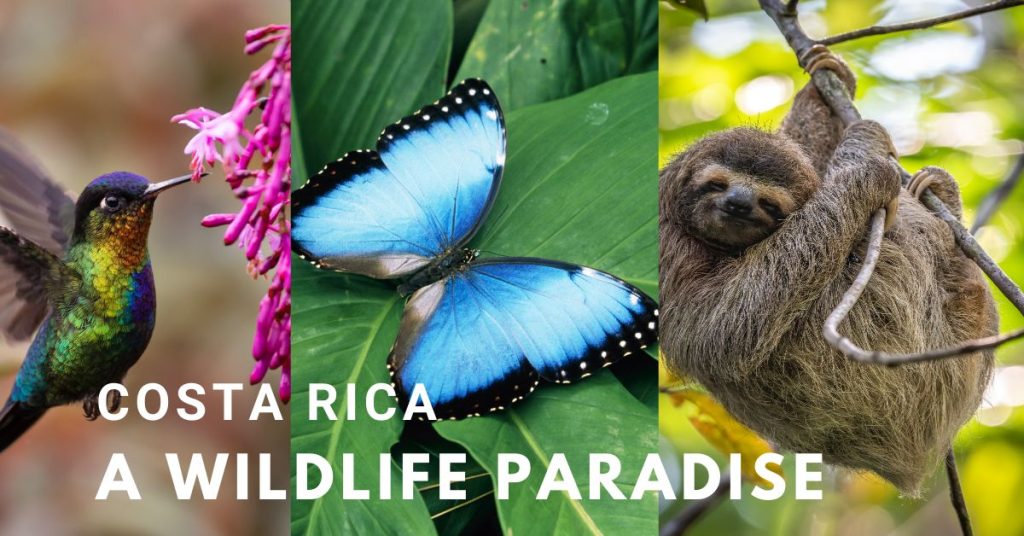
Table of Contents
- Introduction
- The Exuberance of Costa Rican Wildlife
- Unique Creatures of Costa Rica
- Political and Economic Factors in Conservation
- Conclusion
1. Introduction
Welcome to the wild side of Costa Rica, a country that is more than just a destination; it’s an immersive experience into a world teeming with diverse life. Nestled between the Pacific Ocean and the Caribbean Sea, this Central American gem is a wildlife paradise, boasting nearly 5% of the world’s biodiversity. This is a place where nature’s heartbeat echoes in every corner, from the dense rainforests to the serene beaches, from the towering volcanoes to the bustling rivers. From the vibrant Red-Eyed Tree Frogs to the majestic Baird’s Tapir, the country is a living, breathing testament to the wonders of nature. But what makes Costa Rica’s wildlife so exuberant? And how has this Central American nation managed to preserve its rich biodiversity? Let’s embark on this journey of exploration.
Costa Rica is renowned for its incredible biodiversity. Despite its small size, it is home to nearly 5% of the world’s species. Here are some key points about Costa Rica’s wildlife:
- Mammals: Costa Rica is home to more than 200 species of mammals. This includes the White-faced Capuchin Monkey, Three-toed Sloth, and the Jaguar. The country’s diverse habitats, from rainforests to mangroves, support a wide range of mammalian life.
- Birds: With over 850 bird species, Costa Rica is a birdwatcher’s paradise. The Resplendent Quetzal, Scarlet Macaw, and the Keel-billed Toucan are some of the most iconic birds found here.
- Reptiles and Amphibians: Costa Rica hosts a variety of reptiles and amphibians, including numerous species of turtles, snakes, lizards, and frogs. The country is famous for its colorful and diverse frog species, such as the Red-eyed Tree Frog and the Poison Dart Frog.
- Insects and Arachnids: Costa Rica is home to an estimated 34,000 species of insects and 20,000 species of spiders. The Blue Morpho Butterfly is one of the most famous insects from this region.
- Marine Life: Costa Rica’s coasts, particularly the Pacific Coast, are rich in marine life. Sea turtles, dolphins, whales, and a variety of fish can be seen in these waters. The country’s coral reefs and mangroves also support a diverse range of species.
- Conservation: Costa Rica is a world leader in conservation. Over 25% of the country’s land is protected in national parks, reserves, and wildlife refuges. The country has made significant efforts to preserve its natural habitats and the species that live in them.
The Exuberance of Costa Rican Wildlife
Costa Rica’s wildlife is a riot of color, sound, and life, thanks to a combination of geographical, climatic, and historical factors. Its strategic location in the Neotropics, a region known for its biodiversity, has made it a natural bridge for many species. Its diverse ecosystems, from lush rainforests to vibrant coral reefs, provide a home for a wide array of species. The country’s tropical climate, characterized by warm temperatures and high levels of rainfall, provides ideal conditions for life to thrive. The dramatic elevational gradient, from sea level to over 12,000 feet, further contributes to its biodiversity, allowing for a wide range of habitats in a relatively small area. Isolated areas, particularly in the mountains, have led to a high degree of endemism, with species found nowhere else in the world. This exuberance of life is what makes Costa Rica a true wildlife paradise.
Main reasons:
Costa Rica’s wildlife is incredibly rich and diverse due to a combination of geographical, climatic, and historical factors:
- Geographical Location: Costa Rica is located in a tropical region known as the Neotropics, which is one of the richest regions in terms of biodiversity on Earth. It’s positioned between two continents (North and South America) and two oceans (Atlantic and Pacific), which makes it a natural bridge for many species.
- Varied Ecosystems: Costa Rica has a wide variety of habitats, including rainforests, cloud forests, dry forests, mangroves, wetlands, and coral reefs, among others. This variety of ecosystems allows for a high level of biodiversity.
- Climate: The country’s tropical climate, with its warm temperatures and high levels of rainfall, provides ideal conditions for life to thrive. Additionally, the country’s mountainous terrain creates a multitude of microclimates, further increasing biodiversity.
- Elevational Gradient: Costa Rica’s dramatic elevational gradient, from sea level to over 12,000 feet, allows for a wide range of habitats in a relatively small area. Each elevation supports different types of flora and fauna.
- Conservation Efforts: Costa Rica has been a global leader in conservation, with over 25% of its land designated as protected areas. This commitment to conservation has helped to preserve habitats and protect the country’s biodiversity.
- Evolutionary History: Costa Rica is part of a land bridge between North and South America that formed around 3 million years ago. This allowed for an exchange of species between the two continents, contributing to the high biodiversity.
- Isolation: Some areas, particularly in the mountains, are relatively isolated, which has led to a high degree of endemism (species that are found nowhere else in the world).
These factors combined have resulted in Costa Rica’s incredible biodiversity, making it a hotspot for wildlife and a popular destination for ecotourism.
Unique Creatures of Costa Rica
Costa Rica is home to a number of unique and fascinating creatures. The Red-Eyed Tree Frogs, with their vibrant colors and large red eyes, are a symbol of Costa Rica’s rainforests. They are nocturnal creatures, spending their days hiding under leaves and coming out at night to feed and mate. The Two-toed and Three-toed sloths, known for their slow movements, are a common sight. These adorable creatures spend most of their lives hanging upside down in trees, moving so slowly that algae can grow on their fur. The Keel-Billed Toucans, with their large, colorful bills, are a sight to behold. These birds are not only beautiful but also play a crucial role in seed dispersal. The Basilisk Lizards, known as the “Jesus Christ Lizard” due to their ability to run on the surface of water, are another unique species that make Costa Rica a wildlife paradise. And let’s not forget the Scarlet Macaws, Northern Tamandua, Ocelot, King Vulture, and Jaguarundi, each adding to the country’s rich biodiversity. Each creature, in its own way, contributes to the intricate web of life that makes Costa Rica so special.
Costa Rica is home to a number of unique and fascinating creatures. Here are some of them:
- Red-Eyed Tree Frogs: Known for their vibrant colors and large red eyes, these frogs are a symbol of Costa Rica’s rainforests.
- Sloths: Both Two-toed and Three-toed sloths can be found in Costa Rica. They are known for their slow movements and spending most of their time hanging upside down in trees.
- Keel-Billed Toucans: These birds are recognized by their large, colorful bills. They are found in the rainforests of Costa Rica.
- Basilisk Lizards: Also known as the “Jesus Christ Lizard” due to their ability to run on the surface of water.
- Morpho Butterflies: The Blue Morpho is one of the largest butterflies in the world, and its iridescent blue wings are a sight to behold.
- Poison-Dart Frogs: These small, brightly colored frogs are known for the potent toxin they produce. The Strawberry Poison Dart Frog is a common species in Costa Rica.
- Baird’s Tapir: This is the largest land mammal in Central America and is often referred to as a mountain cow in Costa Rica. It’s a unique creature that’s part of the same family as horses and rhinoceroses.
- Golden Orb Weaver Spiders: These spiders are known for their impressive golden webs, which are among the strongest of any spider.
- Scarlet Macaws: Known for their vibrant colors, these birds are native to Costa Rica and can live up to 60 years.
- Northern Tamandua: Also known as the Lesser Anteater, this unique creature is found in the forests of Costa Rica.
- Ocelot: A small wild cat known for its distinctive coat, it’s one of the many unique mammals found in Costa Rica.
- King Vulture: A large bird with a striking appearance, known for its white body, black tail and wings, and brightly colored head.
- Jaguarundi: A small-sized wild cat that has a unique appearance quite different from other big cats, with a long body, short legs, and a small, flattened head.
Political and Economic Factors in Conservation
Costa Rica’s success in preserving its biodiversity is not a happy accident, but the result of deliberate political and economic strategies. The government’s strong commitment to environmental conservation is reflected in its laws and policies, which prioritize the preservation of natural resources. The establishment of national parks and protected areas, which cover more than 25% of the country’s land area, is a testament to this commitment. These protected areas serve as sanctuaries for wildlife, helping to preserve the country’s rich biodiversity.
Eco-tourism plays a significant role in Costa Rica’s economy. The country has become a world leader in this sector, attracting visitors from around the globe who come to experience its unique wildlife and beautiful landscapes. The revenue generated from tourism often goes back into conservation efforts and helps to support local communities, providing an economic incentive for conservation.
Education and awareness initiatives are another key factor in Costa Rica’s conservation success. Environmental education is a part of the national curriculum, and there are numerous initiatives aimed at raising awareness about biodiversity and sustainability. This has fostered a culture of respect for the environment among Costa Ricans and has helped to ensure that conservation efforts are widely supported.
Costa Rica has also been active in international environmental agreements and has received support from international organizations for its conservation efforts. This international cooperation has provided additional resources and expertise to support the country’s conservation initiatives.
Finally, Costa Rica’s focus on sustainable development has been crucial in balancing economic growth with environmental preservation. The country is aiming to become carbon neutral and is known for its progressive policies on renewable energy. The innovative Payment for Ecosystem Services (PES) program provides financial incentives to landowners to manage their land in a way that ensures the provision of certain ecosystem services, further contributing to conservation efforts.
There are several political and economic factors that have contributed to the preservation of biodiversity in Costa Rica:
- Political Will: Costa Rica’s government has shown a strong commitment to environmental conservation. This is reflected in the country’s laws and policies, which prioritize the preservation of natural resources. For example, in the 1990s, the government implemented a system of payments for environmental services, which compensates landowners for preserving forests on their property.
- National Parks and Protected Areas: Costa Rica has established an extensive system of national parks, wildlife refuges, and protected areas, which cover more than 25% of the country’s land area. This is one of the highest percentages in the world.
- Eco-Tourism: Costa Rica has become a world leader in eco-tourism, which has provided an economic incentive for conservation. The revenue generated from tourism often goes back into conservation efforts and helps to support local communities.
- Education and Awareness: Costa Rica has made significant efforts to educate its citizens about the importance of conservation. Environmental education is a part of the national curriculum, and there are numerous initiatives aimed at raising awareness about biodiversity and sustainability.
- International Cooperation: Costa Rica has been active in international environmental agreements and has received support from international organizations for its conservation efforts.
- Sustainable Development: Costa Rica has embraced the concept of sustainable development, seeking to balance economic growth with environmental preservation. The country is aiming to become carbon neutral and is known for its progressive policies on renewable energy.
- Payment for Ecosystem Services (PES): This program, implemented by the government, provides financial incentives to landowners to manage their land in a way that ensures the provision of certain ecosystem services such as carbon sequestration, hydrological services, biodiversity, and scenic beauty.
These factors have all played a role in making Costa Rica a global leader in conservation. However, like all countries, it faces ongoing challenges, including deforestation, climate change, and urban development, that require continued effort and innovation to address.
Conclusion
Costa Rica is more than just a country; it’s a wildlife paradise that showcases the wonders of nature in all its glory. Its rich biodiversity, unique creatures, and successful conservation efforts make it a model for other nations. Whether you’re a nature enthusiast, a wildlife photographer, or a traveler seeking unique experiences, Costa Rica offers a glimpse into a world where nature thrives in all its splendor. So, come and explore the wild side of Costa Rica, a place where every day is a celebration of life in its most vibrant forms. As we journey through this wildlife paradise, we are reminded of the intricate web of life that connects us all and the importance of preserving these precious ecosystems for generations to come.
Are you ready to embark on an unforgettable journey?
Costa Rica’s wildlife paradise is waiting for you. Come, immerse yourself in the vibrant colors of the Red-Eyed Tree Frog, the slow-paced life of the sloths, the majestic flight of the Scarlet Macaws, and the unique biodiversity that Costa Rica has to offer. Experience the magic of nature in its purest form. Book your trip to Costa Rica today and witness the wonders of wildlife like never before. Costa Rica is not just a destination; it’s a life-changing experience. Don’t wait, adventure awaits!