
What Exactly Does Basic Travel Insurance Cover When You Are Abroad?

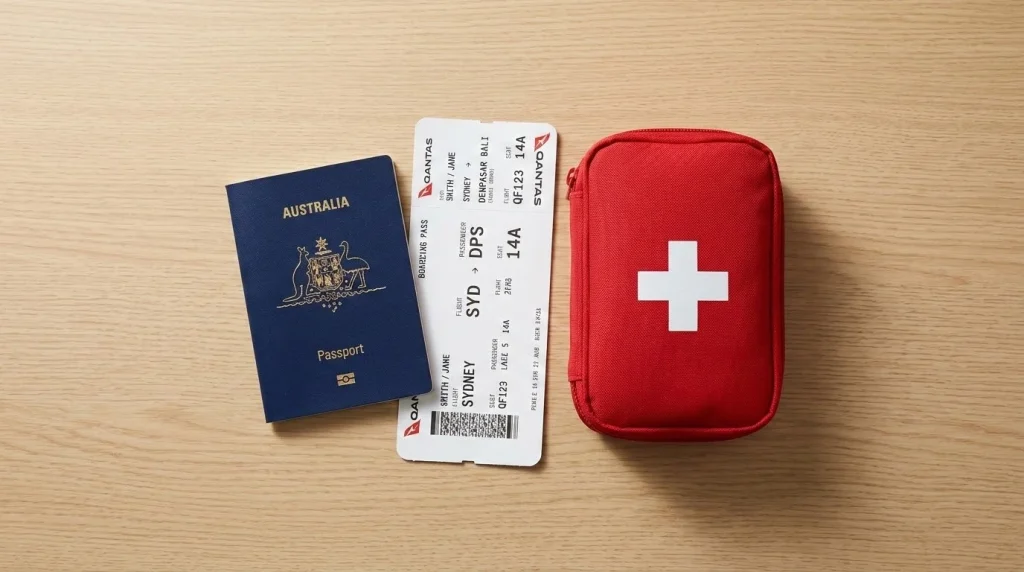
Most Australians only look closely at their travel insurance after something goes wrong. By then, the policy wording matters more than the price you paid online three weeks earlier. Basic cover is cheap for a reason. It handles a defined set of problems and leaves plenty of gaps. If you know those gaps before you fly, you make better decisions about whether basic is enough or whether you need to step up.
Medicare stops at the border. Reciprocal Health Care Agreements with countries like the UK, New Zealand and a handful of European nations can help with essential public treatment, but they are limited. They don’t replace travel insurance, and they don’t apply in Bali, the US, Thailand or most of the places Australians actually go.
Overseas medical and hospital costs
This is the core of almost every basic policy. If you break a leg in Queenstown, get food poisoning in Vietnam, or end up in emergency care after a scooter accident, the insurer should cover hospital fees, doctor visits, and medically necessary treatment up to the policy limit.
Limits on basic products are often still high for medical, sometimes unlimited, because a few days in a US hospital can wipe out savings fast. What changes between basic and mid-tier is usually the excess, the fine print on activities, and whether you can claim for related costs like extra accommodation while you recover.
Ambulance and emergency evacuation sit in this bucket too. If local hospitals can’t treat you properly, the insurer may arrange transfer to another facility or back to Australia.
Pre-existing conditions are where claims get messy. Basic policies often exclude them unless you declare them and get written acceptance, sometimes with an extra premium. Blood pressure, asthma, recent surgery, pregnancy complications: if it’s in your history, assume you need to disclose it.
Emergency dental (and what it doesn’t include)
Sudden toothache overseas is miserable. Most basic policies include emergency dental for acute pain, infection or injury, usually with a modest sub-limit. You’re looking at enough to get you stable, not a full treatment plan.
Routine or cosmetic work isn’t covered. If you’ve been putting off a check-up and the problem was already brewing, expect a fight on the claim. And once you’re home, searching for cavity filling near me is on your own dental budget. Travel insurance doesn’t fund ordinary care you could have sorted before departure. It funds the unexpected crisis that stops you eating or sleeping while you’re away.
Keep receipts, get a written diagnosis, and call the insurer’s assistance line before you sit in the chair if you can. Approval pathways matter more than people expect.
Trip cancellation and changes
Basic cancellation cover is usually thinner than medical. It may pay if you cancel for a listed reason: serious illness, injury, death of a close relative, jury duty, or your airline collapsing in some cases. It often won’t pay if you simply change your mind, have a work conflict, or get cold feet about the destination.
COVID-era wording has settled, but pandemic-related claims still depend on the specific PDS. Border closures, destination lockdowns and “fear of travel” are not automatically covered on entry-level products.
Travel delay benefits on basic policies tend to be small. A missed connection might get you a set amount for meals and a hotel night after a long wait. It won’t rebuild a whole itinerary. If your trip has tight connections or non-refundable tours, basic cover can leave you exposed.
Luggage, personal effects and liability
Stolen bags, damaged suitcases, phones left in taxis: basic policies usually include personal baggage with low item limits. Phones, laptops and cameras often have sub-limits that won’t replace what you actually own. Unattended baggage exclusions are common. If you leave a bag on the beach, don’t expect a payout.
Personal liability cover protects you if you accidentally injure someone or damage property and they come after you for costs. It’s easy to ignore until you’re dealing with a rental scooter prang or a hotel damage dispute. Limits vary. Read them.
Some basic policies exclude valuable items unless they’re specified. If you’re travelling with jewellery or specialist gear, check before you pack it.
Cover for older travellers and family logistics
Age affects premiums and eligibility. Many basic products load prices heavily after 60 or 65, and some cap benefits or refuse cover above a certain age without a senior-specific policy.
If a parent receives Support at home aged care, overseas travel needs extra planning on two fronts.
- First, the care arrangement itself: absences can affect packaged services, and you should confirm with the provider how a trip interacts with their schedule and funding.
- Second, the insurance: pre-existing conditions are more common in this age group, and undeclared issues are a leading reason claims get reduced or denied.
A basic policy bought in two minutes on a comparison site rarely handles complex medical histories well.
What basic policies commonly exclude
This list catches people out every season:
- Adventure activities (diving beyond a set depth, skiing off-piste, motorbike hire without a licence)
- Alcohol or drug-related incidents
- Travel against DFAT advice on Smarttraveller
- Elective procedures and ongoing physio after you return
- Business equipment and some sports gear
- Losses reported late or without police reports for theft
Cruise itineraries, long-stay travel and working holidays often need different products again. A basic leisure policy is built for short holidays, not six months of house-sitting in Europe.
How to use basic cover properly
Buy as soon as you pay a deposit on flights or accommodation. Cancellation cover usually starts from purchase date, not departure date.
Read the Product Disclosure Statement. Not the marketing page. The PDS is where excesses, sub-limits and exclusions live. Compare medical excess, dental sub-limits, baggage item caps and whether you need add-ons for rental vehicles or specified valuables.
Register your trip on Smarttraveller and store your insurer’s 24-hour assistance number offline. When something goes wrong, call them early. Many medical and evacuation claims run smoother when the assistance team is involved from the first hospital visit.
If you have private health cover in Australia, don’t assume it extends overseas. Most extras and hospital products don’t. Travel insurance is a separate layer.
Is basic cover enough?
For a healthy traveller on a short trip to New Zealand or Singapore, with no fancy gear and refundable bookings, basic can be adequate. For the US, remote areas, winter sports, pre-existing conditions, or non-refundable multi-country itineraries, the upgrade cost is usually smaller than one denied claim.
Price is a poor proxy for quality on its own. A slightly dearer policy with clearer medical wording and a lower excess often performs better than the cheapest tick-box option. The question isn’t “Do I have insurance?” It’s “Will this policy actually respond to the risks on my itinerary?”
Work through your destination, activities, health, age and booking spend. Then choose the lowest level of cover that honestly matches those facts. That’s the practical standard most experienced travellers and advisers end up using.